OPTOGLOBE at IAPB 2030 In Sight Live: Advancing the Future Eye Health Workforce
Presenting the Equipping the Future Global Needs Assessment Study, engaging global leaders, and making the case that achieving 2030 In Sight requires investing in the students of today.
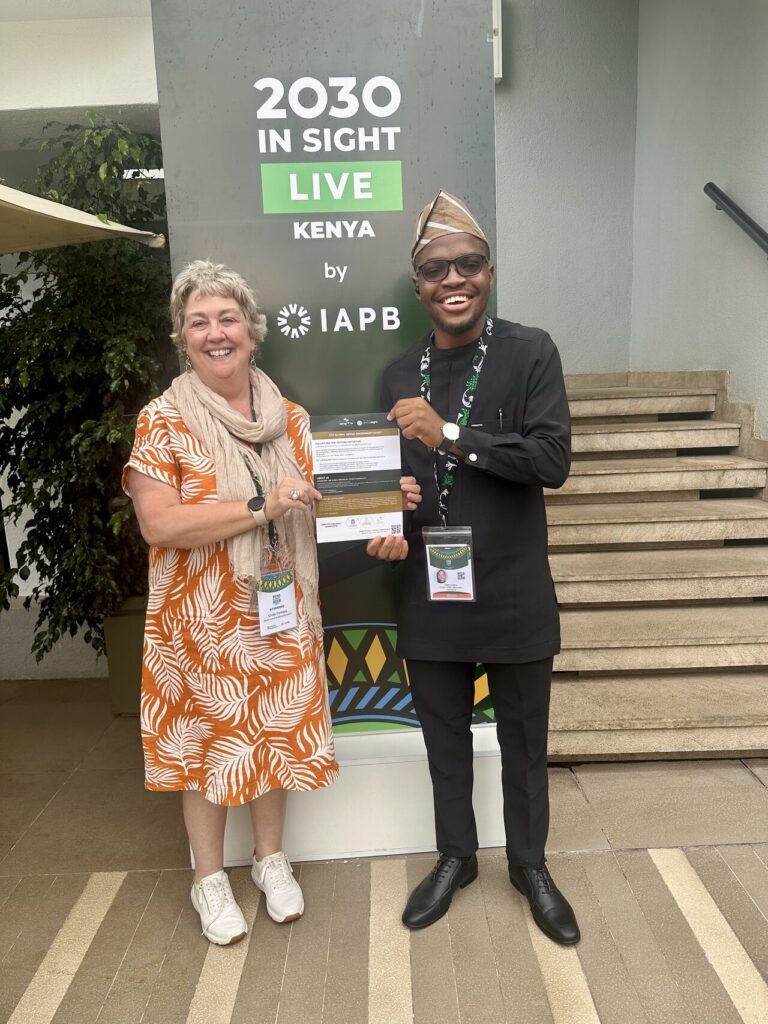
OPTOGLOBE is proud to have participated in the International Agency for the Prevention of Blindness (IAPB) 2030 In Sight Live meeting in Nairobi, Kenya — one of the most significant gatherings in the global eye health calendar, convening leaders, researchers, advocates, clinicians, policymakers, and educators from across the world in collective pursuit of eliminating avoidable sight loss.
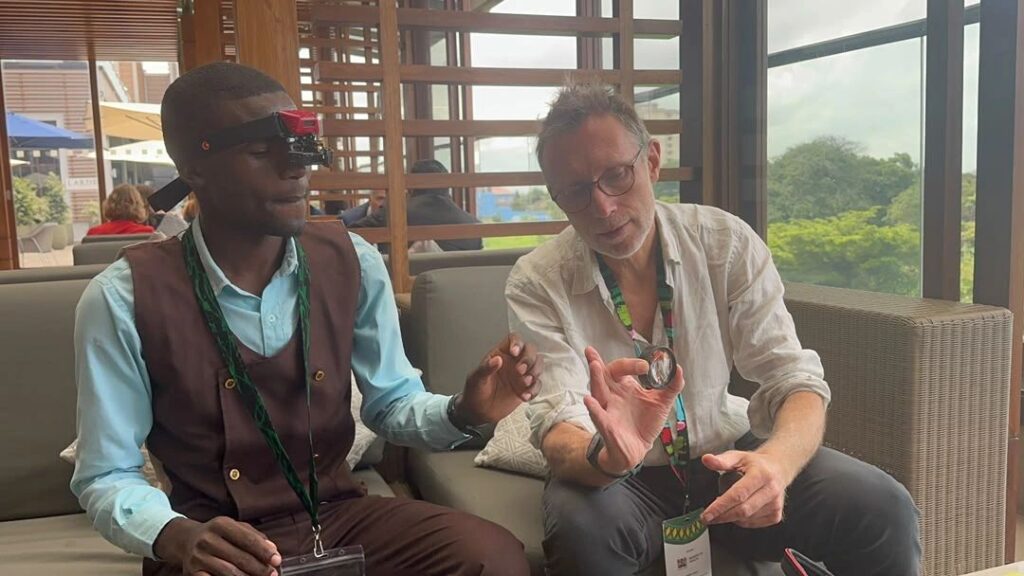
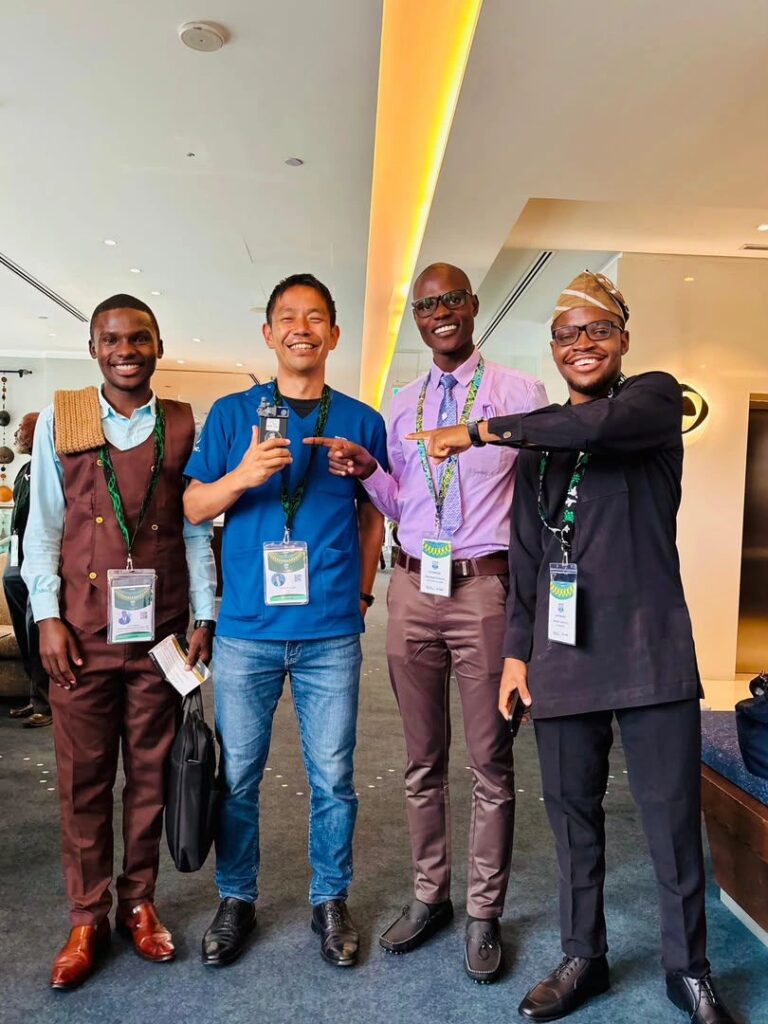
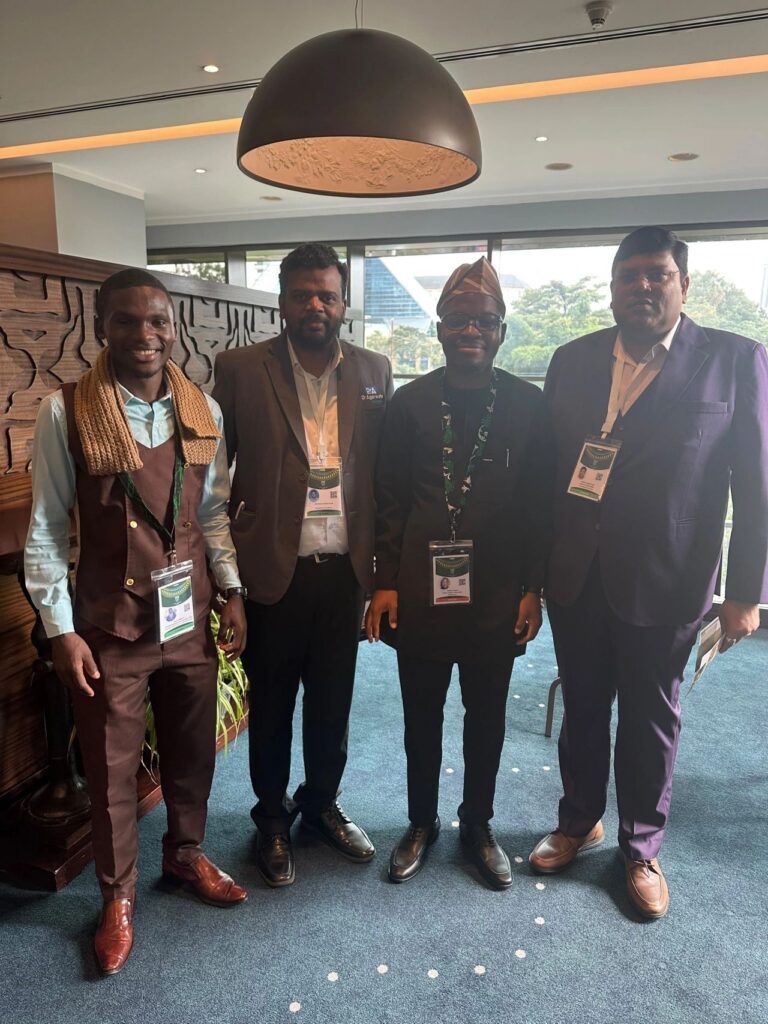
OPTOGLOBE was represented at the meeting by its Founder, Pemije Gadimoh, and the Monitoring, Evaluation, and Impact Team Lead of the Equipping the Future (ETF) Core Committee, Julius Nyerere Kamencu. Their participation marked a significant moment for the global optometry student community placing student voices and student-generated evidence at the table of the world’s foremost eye health policy dialogue.
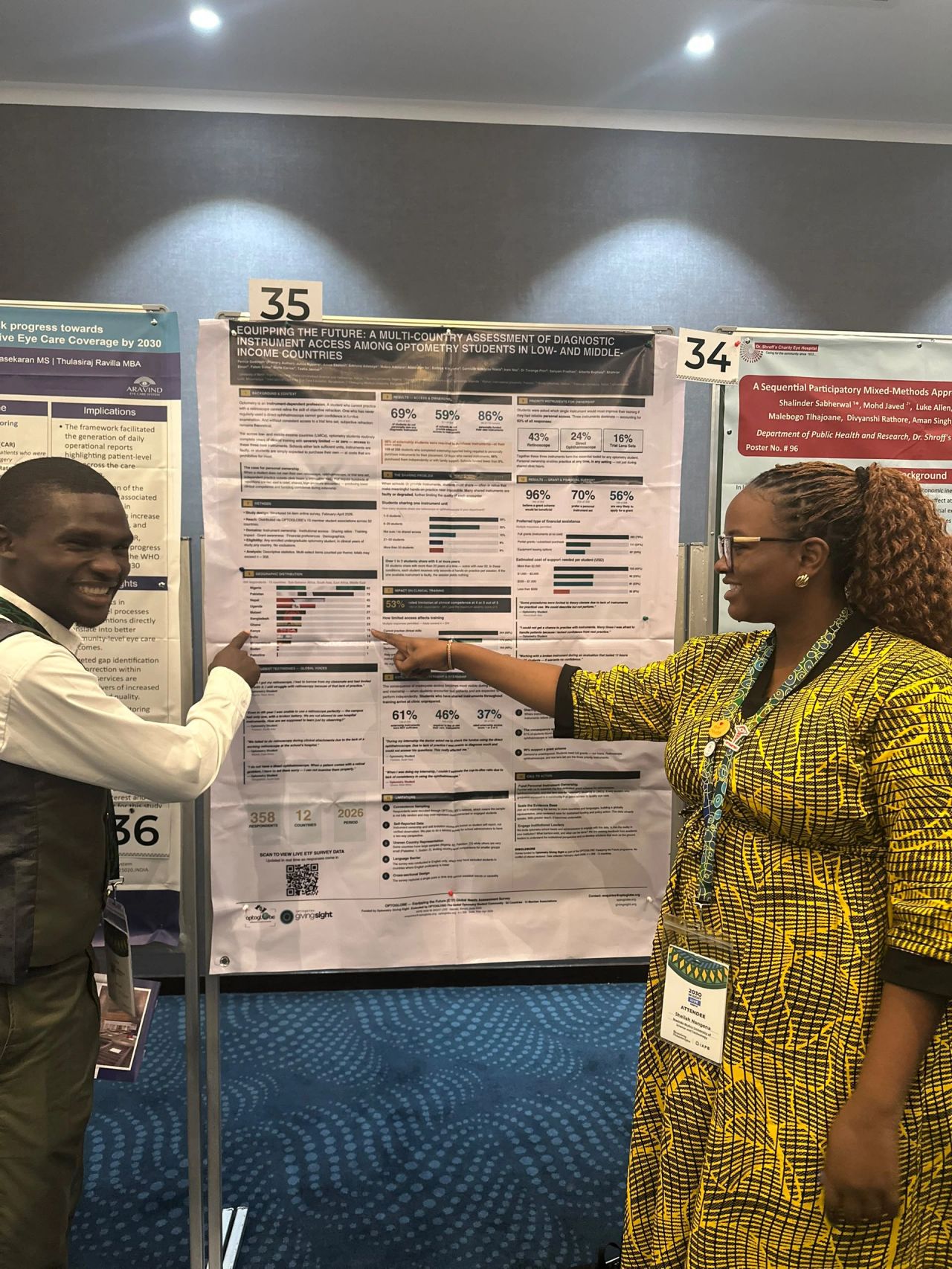
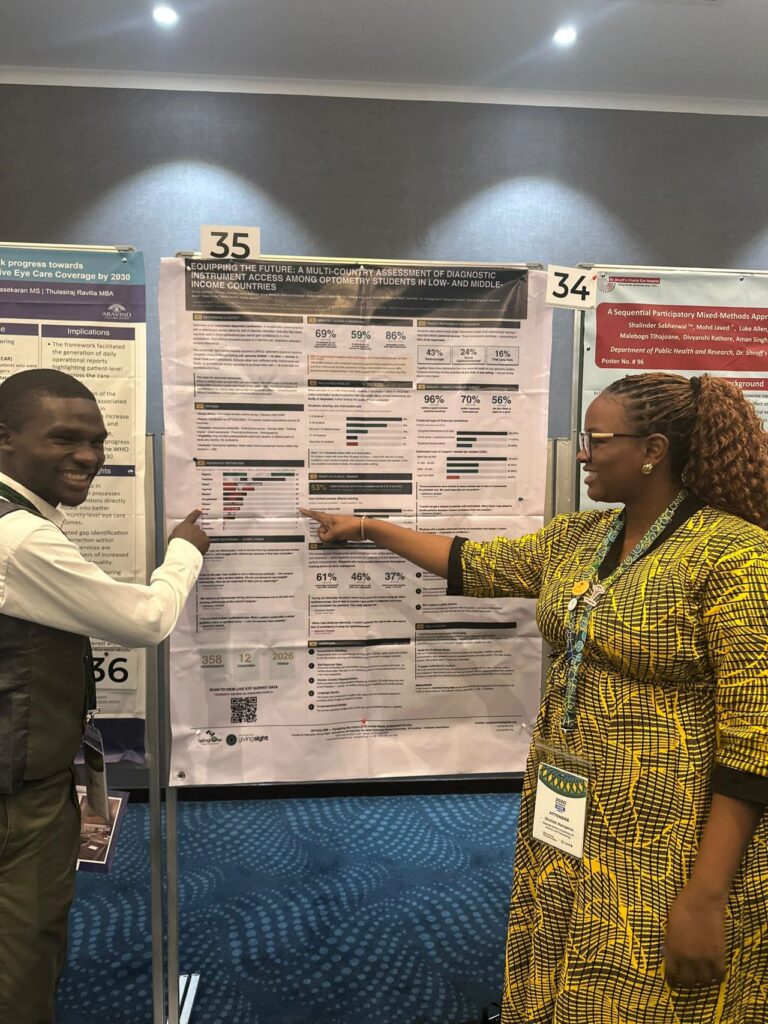
Presenting the ETF Global Needs Assessment Study
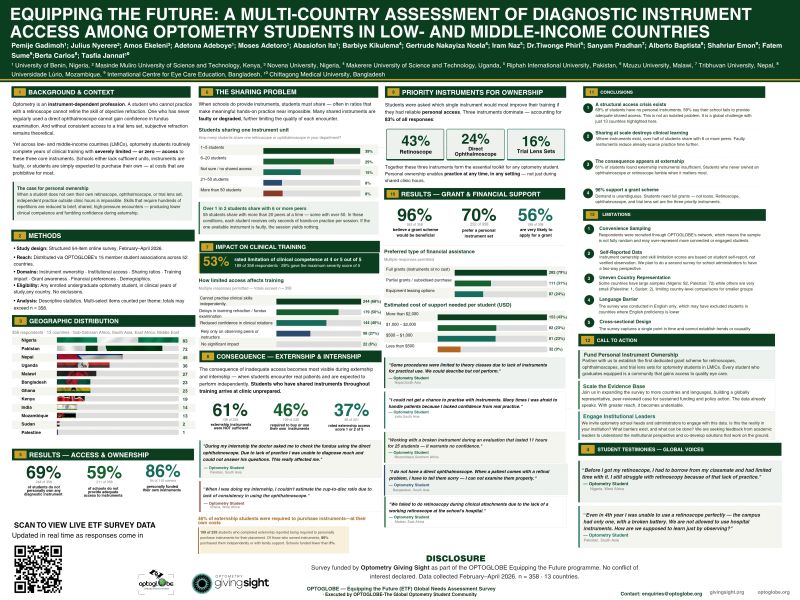
A major highlight of OPTOGLOBE’s participation was the presentation of the Equipping the Future (ETF) Global Needs Assessment Study, conducted in partnership with Optometry Giving Sight. The study (which has gathered responses from optometry students across 13 countries) provides structured, evidence-based insights into the state of access to essential diagnostic instruments and clinical training resources among optometry students globally.
The ETF Study addresses a gap that is well understood anecdotally but rarely documented with rigour: that students entering clinical training in low- and middle-income countries frequently do so without access to the instruments they will depend on throughout their careers. Presenting this evidence at IAPB 2030 In Sight Live elevated it from a student community concern to a formal contribution to the global eye health policy conversation.
The ETF Global Needs Assessment Study contributes directly to the evidence base on eye health workforce preparation — adding student-level data to a conversation that has historically focused on practitioner numbers without adequately examining the quality of the training environment.
Engaging the Global Eye Health Community
Beyond the formal presentation, OPTOGLOBE engaged substantively with a wide range of global stakeholders throughout the course of the meeting. These conversations spanned workforce development, instrument access, student engagement in global health initiatives, optometric education standards, and the role of emerging professionals in the implementation of the 2030 In Sight agenda. The breadth of these engagements reflected both the relevance of OPTOGLOBE’s work and the growing recognition of students as legitimate participants in global health dialogue, not merely future beneficiaries of it.
OPTOGLOBE’s central message across all interactions was consistent: achieving the targets of 2030 In Sight is not possible without investing, today, in the students who will constitute tomorrow’s eye health workforce. The clinicians, researchers, educators, and policymakers needed to close the global vision care gap are currently sitting in lecture halls and clinical rotations. The conditions of their training will determine the quality of the care they deliver for decades to come.
Key Encounters
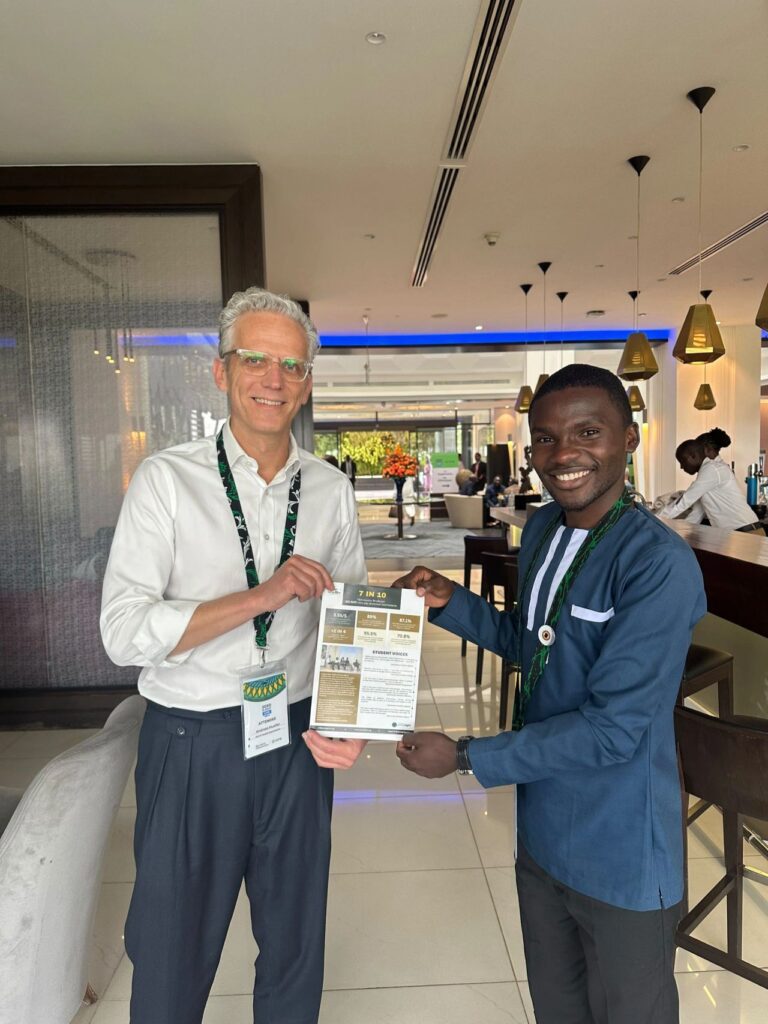
Among the leaders and practitioners OPTOGLOBE engaged with during the meeting were the following individuals, each occupying a significant position in the global eye health landscape:
Stakeholders Engaged at IAPB 2030 In Sight Live — Nairobi
The Argument OPTOGLOBE Made
OPTOGLOBE’s engagement at IAPB 2030 In Sight Live was grounded in a single, well-evidenced argument: the future of the global eye health workforce is being determined right now, in the quality of education, training, and resources that optometry students have access to today.
Global eye health targets — whether framed around the 2030 In Sight vision for universal access to eye care, or the WHO SPECS 2030 initiative to address uncorrected refractive error — require a sufficient and competent workforce to implement them. That workforce is not recruited from thin air. It is trained over years in universities and clinical settings, and its capacity is a direct function of the investment made in the student experience during those formative years.
“Achieving the goals of 2030 In Sight requires investing in today’s students. The optometry students of today will be the clinicians, researchers, educators, leaders, and policymakers driving eye care delivery tomorrow.”
OPTOGLOBE, IAPB 2030 In Sight Live, Nairobi
This argument is not rhetorical. It is supported by the data OPTOGLOBE has collected through the ETF Global Needs Assessment Study — data that documents, in clear terms, the gaps in diagnostic instrument access and clinical training resources that students across 13 countries face. Presenting that evidence at IAPB 2030 In Sight Live was both a contribution to global knowledge and a form of advocacy.
Gratitude to the IAPB
OPTOGLOBE is grateful to the International Agency for the Prevention of Blindness for convening a platform of this scope and diversity, and for fostering an environment in which student-led organisations can engage meaningfully alongside the most senior actors in global eye health. The 2030 In Sight Live meeting in Nairobi demonstrated what is possible when the eye health community brings together the full range of stakeholders — from policymakers to practitioners, from international agencies to student associations — committed to a common purpose.
What Comes Next
OPTOGLOBE returns from Nairobi with strengthened partnerships, a clearer sense of how the ETF Study’s evidence fits within the broader global agenda, and renewed commitment to connecting students, amplifying student voices, advancing optometric education, and strengthening the future eye health workforce worldwide.
The conversations held in Nairobi will continue. OPTOGLOBE will carry the insights from this meeting into the preparations for the Third Global Optometry Student Summit (GOSS 2026), taking place July 9–12, 2026 — a platform that will bring together optometry students from across the world to engage precisely these questions of education, access, advocacy, and the future of the profession.
Optometry students are not the future of eye care. They are a present and active part of it. OPTOGLOBE will continue to ensure they are seen, heard, and engaged as such.